The AI Efficiency Tax
(on why your best people are hiding their AI use)
The primary obstacle to AI adoption isn’t technology or culture, but rather a misalignment in incentives.
Currently your top performers are using AI to compress an 8-hour workday into 4 (and often significantly fewer hours) but they would not tell you. They know that in most corporate culture, the “reward” for high efficiency is simply a heavier workload. When speed is penalized with more work, efficiency becomes a tax on the worker’s time.
This creates a cycle of “hidden productivity”. Staff who work at an accelerated pace hide their AI usage and then underutilise their remaining hours to avoid being “buried” with more work. When AI adoption stays hidden, the company loses visibility in data security, quality control and more importantly loses the ability to scale up by standardising the AI use. You can’t optimise a process that you can’t see.
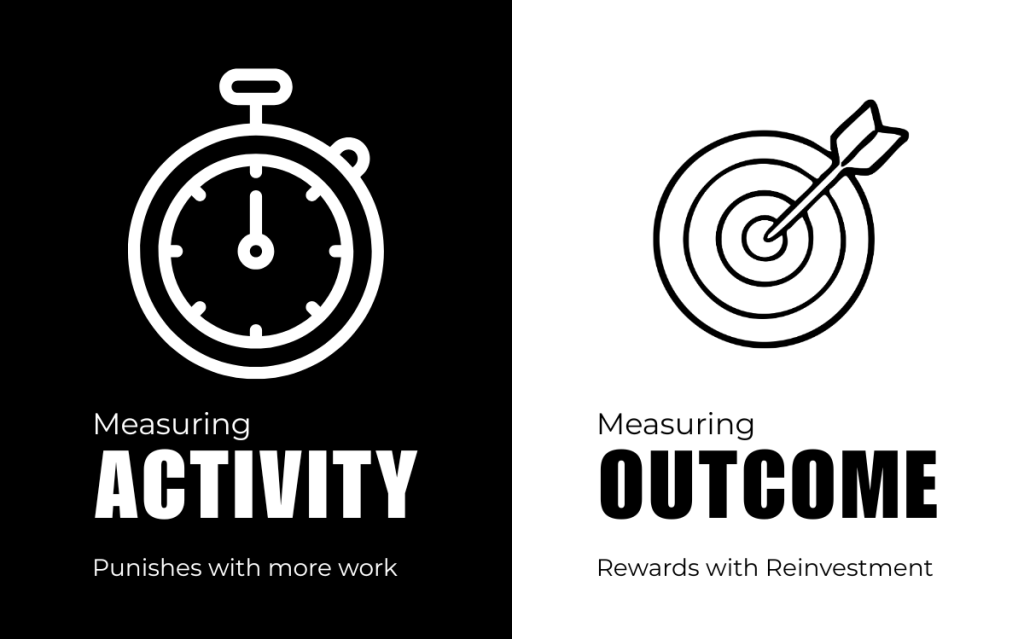
The solution to this is a fundamental shift; from measuring activity to measuring outcomes.
To bring AI into the light, you must stop punishing the speed it provides. Create a ‘reinvestment’ model in which if a team member automates half their workload, don’t fill that void with “extra work”. Instead, split the productivity gain. Reallocate the time towards high-level strategy, professional development or innovative projects that were previously put aside due to lack of bandwidth.
When you stop taxing efficiency, your team will stop hiding their tools and start using them to scale your business.